
How to Choose an Electric Passenger Tricycle for Your Taxi Business?
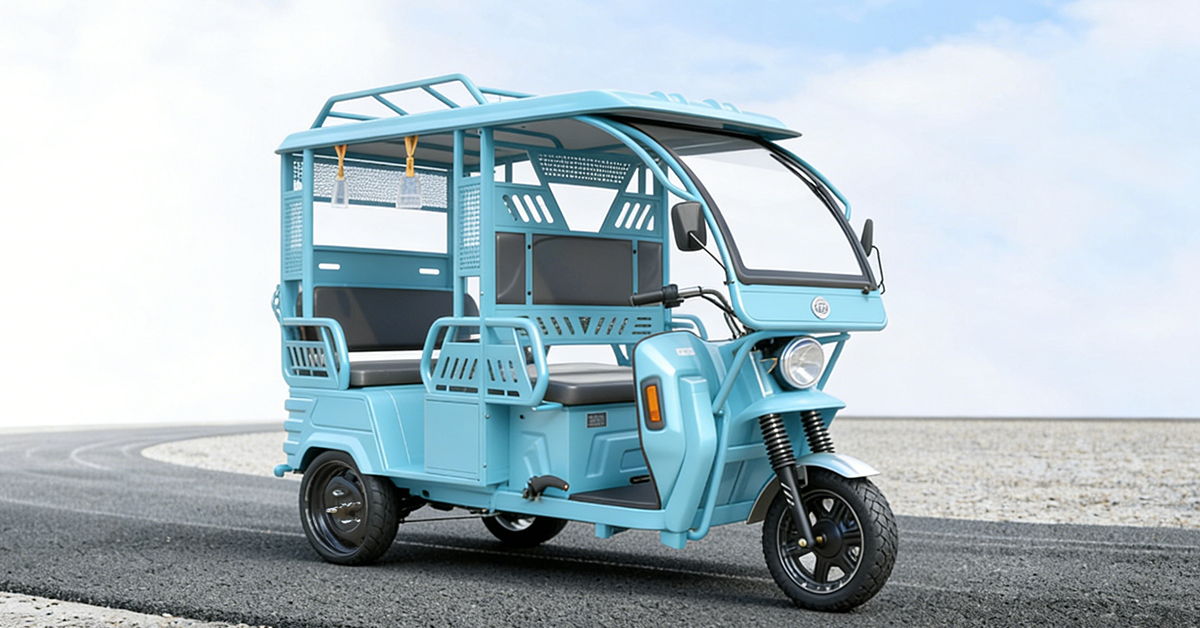
Choosing passenger vehicles is more than mere procurement for taxi, car rental and transport companies, since it directly affects operating costs, passenger experience and long-term profits. Hit by surging fuel costs, frequent upkeep for fuel tricycles, expensive repairs for old fleets, rising passenger comfort requirements and fierce market competition, many operators intend to replace fuel vehicles with electric passenger tricycles for taxi business. Before placing orders, they have to resolve key concerns: profitability of electric tricycles, cost savings from electrification, prioritized vehicle parameters, business-matching models and supplier screening standards. This guide details all essential evaluation metrics for commercial buyers of electric passenger tricycles.
1. Why Are More Taxi Operators Choosing Electric Passenger Tricycles?
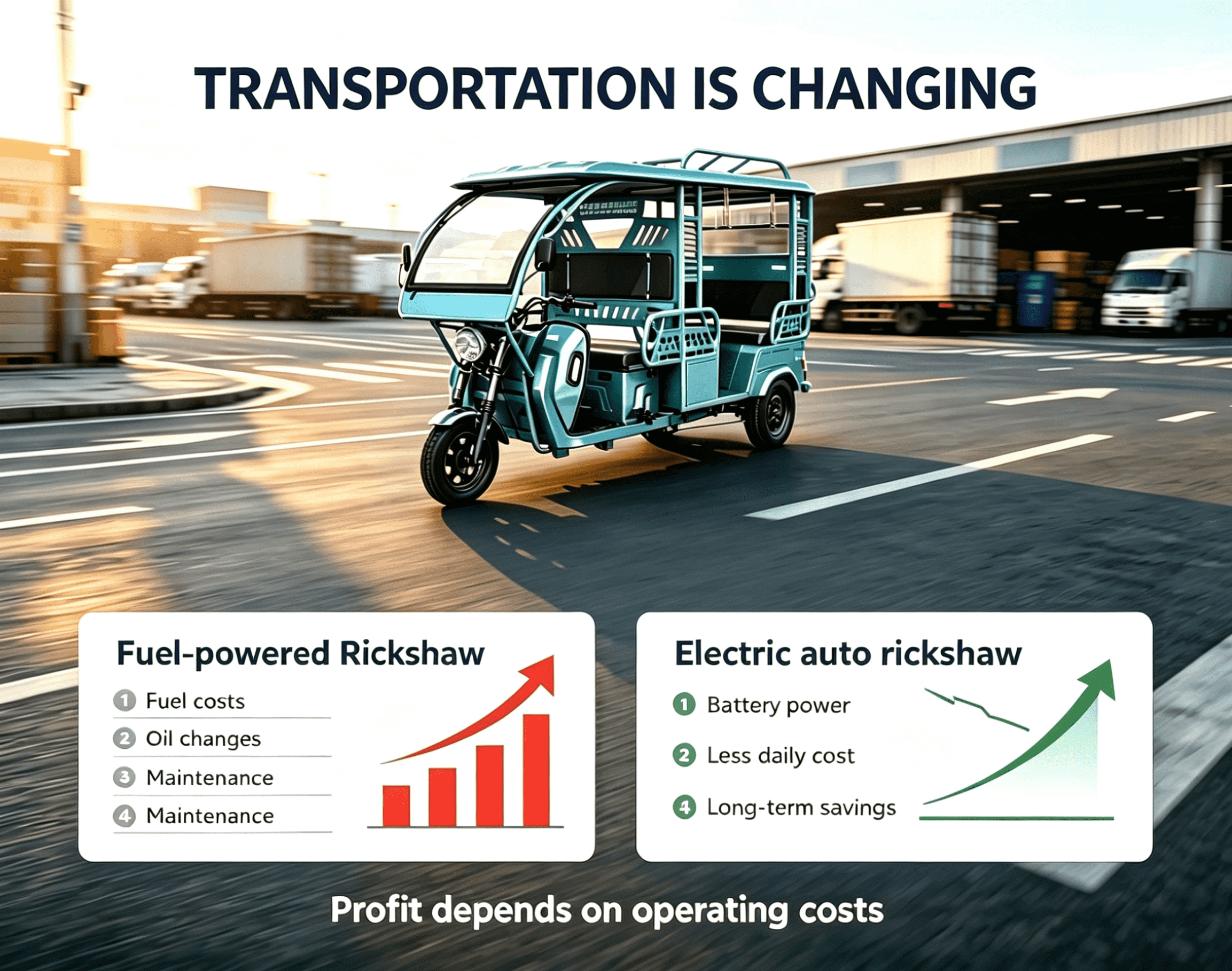
The transportation industry is undergoing transformation, and vehicle operating costs decide the profitability of most small and medium-sized transport operators.
A traditional gasoline tuk tuk usually creates continuous expenses:
Fuel costs
Engine oil replacement
Mechanical maintenance
Spare parts replacement
While gasoline vehicles remain commonplace across numerous markets, their steep daily running costs often place a heavy financial burden on transport operators, and electric passenger tricycles serve as a viable alternative that runs on battery power rather than fossil fuels to slash routine energy spending; for enterprises managing fleets of multiple vehicles, even modest daily cost reductions will accumulate into substantial total savings throughout years of ongoing operation.
2. Electric Passenger Tricycle vs Traditional Gasoline Tuk Tuk: What Should Operators Consider?
When comparing different vehicle products, operators ought to take more factors into consideration rather than merely focusing on the upfront purchase price, since a low-priced vehicle does not equate to a worthwhile investment in the long run.
The key factors include:
①Operating Cost
Fuel vehicles:
Fuel price changes frequently
Daily fuel expenses increase operating pressure
Electric passenger tricycles:
Lower charging cost
More stable energy expenses
Reduced dependence on fuel prices
For taxi operators, controlling operating costs is essential because transportation businesses usually operate every day.
②Maintenance Requirements
Traditional gasoline tuk tuks are equipped with abundant mechanical assemblies including engine, transmission, exhaust and fuel systems, and more mechanical structures correspond to higher risks of frequent maintenance failures; in contrast, electric passenger tricycles adopt a streamlined power configuration consisting only of electric motors, controllers and battery systems, whose simplified framework effectively cuts maintenance frequency and lifts vehicle availability,
Hence sustaining stable vehicle operation carries greater weight than merely lowering procurement costs for rental companies and fleet operators.
3. How Can an Electric Passenger Tricycle Create Business Value?
While many purchasers merely pay attention to the basic hardware specifications of vehicles, professional transport operators prioritize the actual economic returns brought by the equipment, and electric passenger tricycles are able to generate tangible business value in a variety of ways.
①Lower Daily Operation Cost
Taxi operations rely on daily service revenue, governed by the straightforward formula: Revenue - Operating Cost = Business Profit; cutting unnecessary expenditures is an effective way to raise overall profits, and reduced energy consumption and maintenance costs help operators retain more earnings generated from daily passenger transport services.
②Suitable for Multiple Business Models
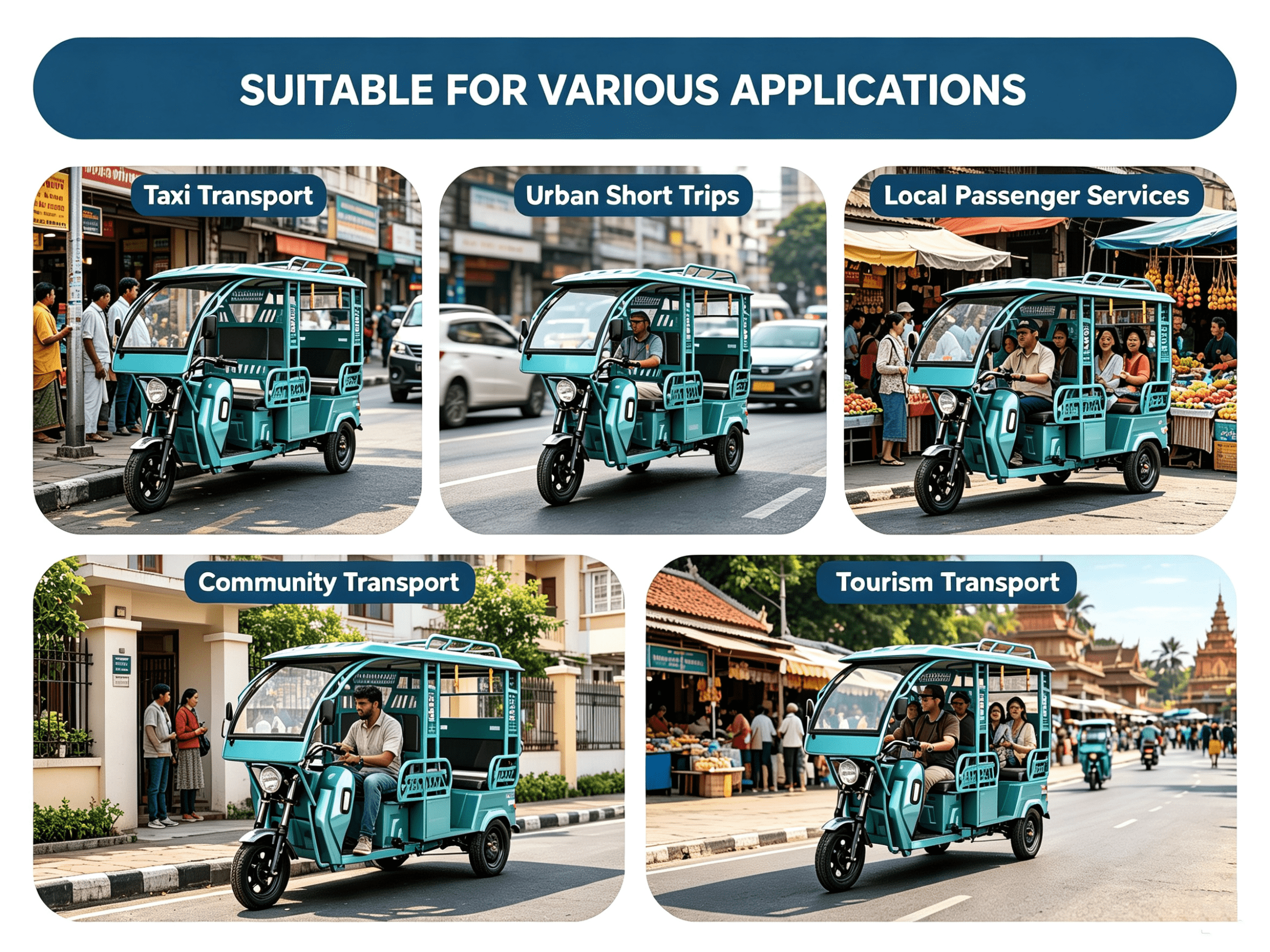
An electric passenger tricycle is not limited to one application.
It can be used for:
Taxi Transportation
Urban short-distance transportation
Local passenger services
Community transportation
Tourism Transportation
4. What Specifications Should Operators Check Before Buying?
Before purchasing an electric passenger tricycle, commercial buyers should evaluate several important specifications.
①Battery Capacity and Driving Range
Battery performance directly affects daily operation.
Operators should consider:
How many kilometers the vehicle can travel per charge
Charging time
Battery lifespan
Replacement cost
For taxi businesses, longer range means:
More working hours
Fewer charging interruptions
Higher daily income potential
②Rental Business
Many operators purchase vehicles and rent them to drivers.
Important factors include:
Vehicle durability
Maintenance cost
Passenger acceptance
Operating lifespan
More working hours
Fewer charging interruptions
Higher daily income potential
③Passenger Capacity
As passenger capacity needs vary across different types of transport businesses, operators ought to select appropriate models in accordance with their own actual operating conditions:
Passenger demand
Route distance
Local transportation requirements
A suitable passenger capacity can improve efficiency while maintaining passenger comfort.
④Vehicle Durability
Given that commercial vehicles run far more frequently than private vehicles, several key factors need to be taken into full consideration:
Frame strength
Suspension system
Tire quality
Weather protection
A durable vehicle helps reduce downtime and maintenance expenses.
Click here to view product details for the electric auto-rickshaw.
5. Why This Electric Passenger Tricycle Is Suitable for Commercial Operators?
This electric passenger tricycle is designed for operators who need reliable daily transportation solutions.
Instead of focusing only on personal travel, the vehicle is developed for commercial applications.
①Comfortable Passenger Transportation Design
The vehicle provides a practical passenger space layout suitable for:
Taxi operation
Rental services
Tourist transportation
A comfortable passenger experience can improve customer satisfaction and increase repeat usage.
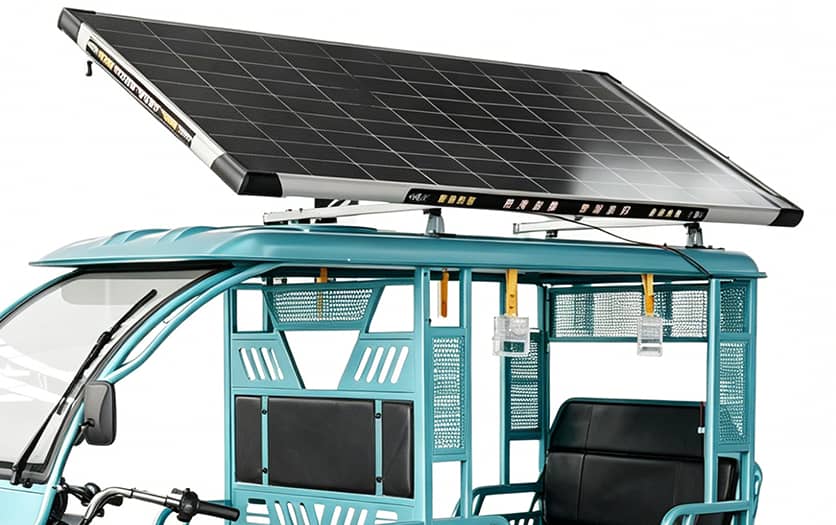
②Optional Solar Panel System
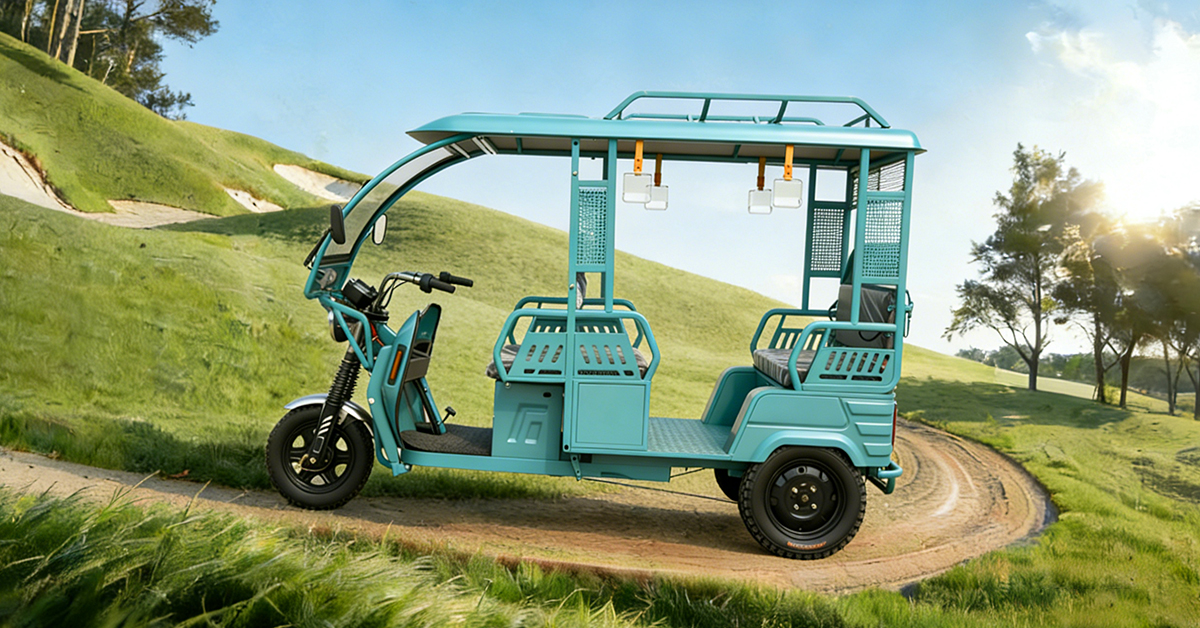
Solar panels can be equipped as an optional accessory for vehicles deployed in high-sunlight regions, bringing extra power supply, less reliance on external charging and great adaptability to outdoor driving work, making this configuration particularly cost-effective for local operators with sufficient solar resources.
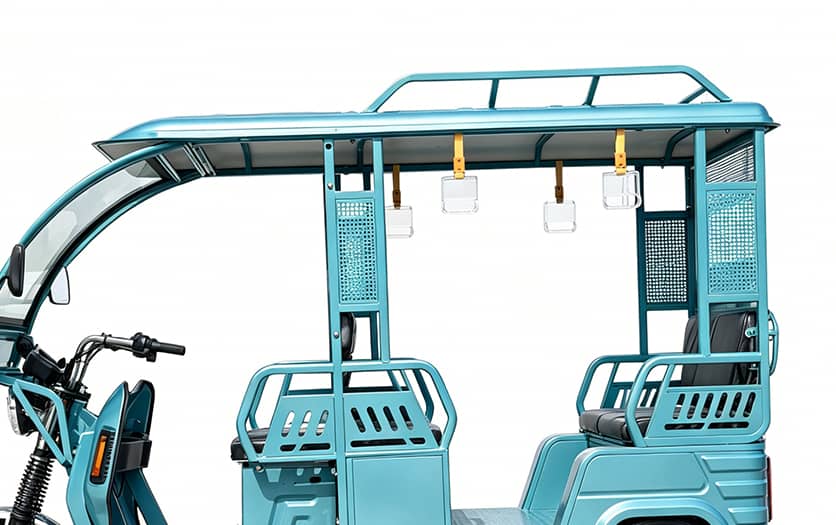
③Optional Roof Rack for Additional Storage
The optional roof rack delivers extra practical value by holding passengers’ luggage, tourism gear and daily transport supplies, and this extra storage space greatly enhances the operational flexibility of vehicles for tourism and rental enterprises.
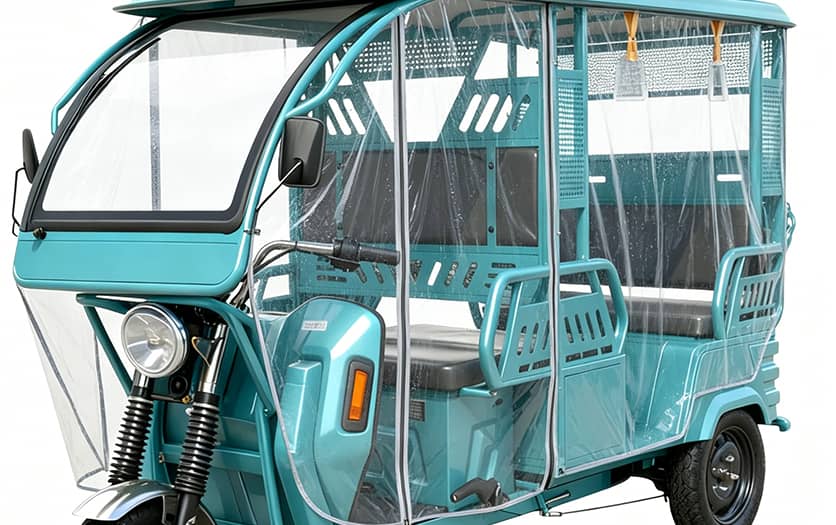
④Optional Waterproof Rain Curtain
Pre-installed brackets enable fast canopy assembly to shelter passengers from wind, rain and harsh sunlight, improving ride comfort and attracting more customers. Low electricity fees and minimal maintenance slash daily operating costs and raise your overall profits.
6. How to Choose a Reliable Electric Tuk Tuk Supplier?
For B2B buyers, choosing the right supplier is as important as choosing the vehicle.
A professional electric rickshaw manufacturer should provide:
①Stable Production Capability
Commercial buyers usually require:
Multiple vehicle orders
Consistent quality
Reliable delivery schedules
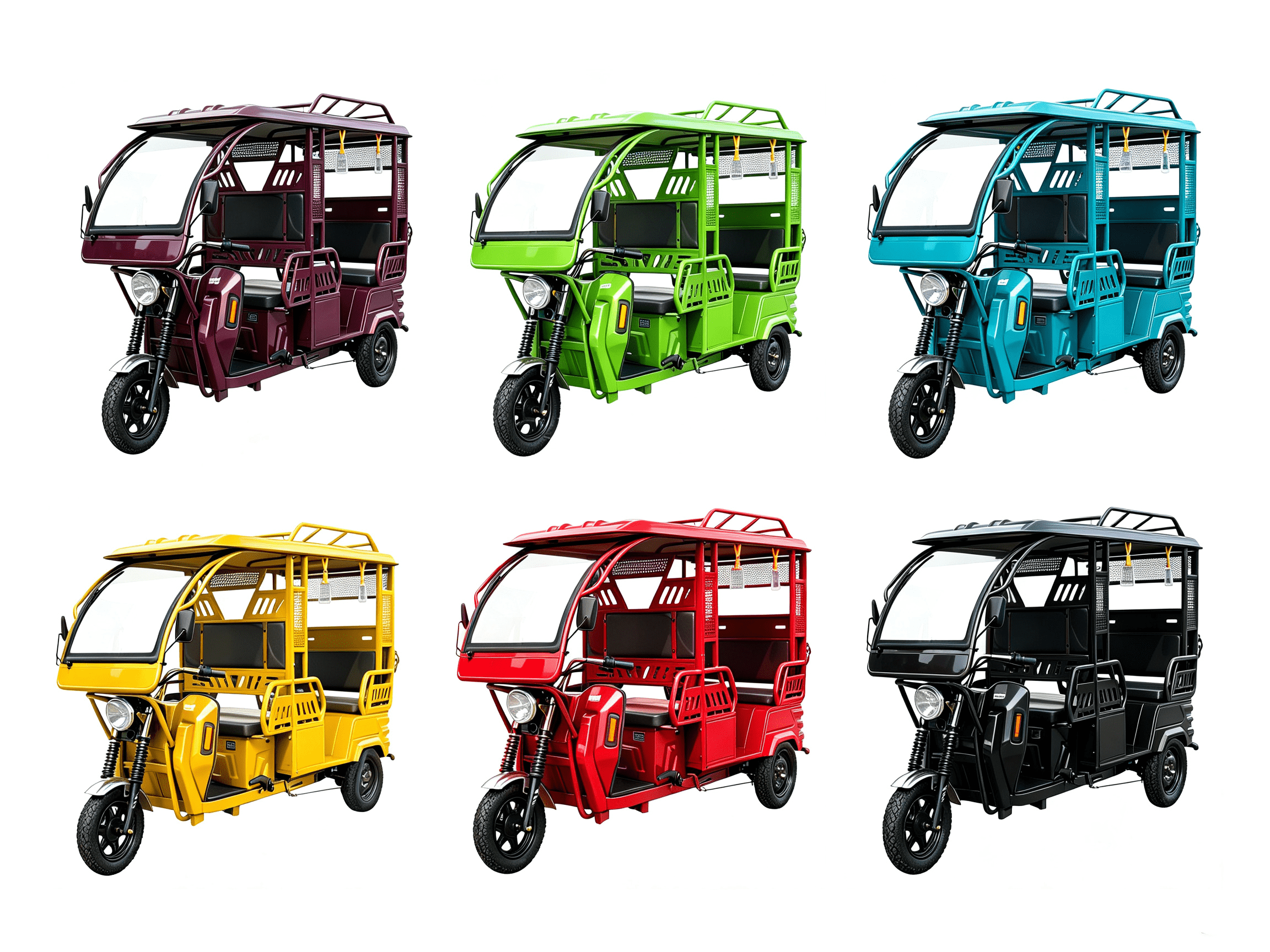
②Customization Options
A supplier should support:
Color customization
Battery options
Solar panel installation
Roof rack installation
Fleet solutions
③After-Sales Support
Operators should consider:
Spare parts availability
Technical support
Warranty policy
A reliable supplier helps businesses maintain long-term operation.
7. Purchasing Guide: Questions Operators Should Ask Before Ordering
Before placing a bulk order, buyers should ask:
①Vehicle Questions
What is the maximum passenger capacity?
What is the driving range?
What battery options are available?
What is the expected service life?
②Business Questions
Is this model suitable for taxi operation?
Can it operate continuously every day?
Can accessories be customized?
③Supplier Questions
Do you support bulk orders?
Can you provide spare parts?
Do you have export experience?
For transportation businesses, picking appropriate vehicles constitutes a long-term investment decision, and electric passenger tricycles designed for taxi services stand out as a viable option to cut operational expenses, upgrade riding experience for passengers and build environmentally sustainable business frameworks. Boasting merits including low energy consumption costs, easy daily maintenance work, as well as flexible customizable configurations ranging from solar panels to roof racks, these electric tuk tuks have gradually turned into a cost-effective pick for taxi operators, vehicle rental firms and tourist transport service providers alike; nevertheless, purchasers need to comprehensively assess their own business models, daily actual operation demands and the comprehensive strengths of suppliers prior to placing orders, so as to settle on the most matched electric passenger vehicle solution.
FAQ
Q1. Is an electric passenger tricycle suitable for taxi business?
Yes. Electric passenger tricycles are suitable for taxi operators because they provide low operating costs and are designed for frequent commercial transportation.
Q2. How much maintenance does an electric tuk tuk need?
Electric tuk tuks generally require less maintenance than gasoline vehicles because they have fewer mechanical components.
Q3. Can electric passenger tricycles be customized?
Yes. Many manufacturers provide customization options including solar panels, roof racks, colors, and battery configurations.
Q4. What businesses can use electric passenger tricycles?
They are commonly used for:
Taxi services
Rental businesses
Tourism transportation
Hotel shuttle services
Community transportation
Q5. How do I choose an electric tuk tuk supplier?
Choose a supplier with:
Export experience
Stable production capacity
Customization ability
After-sales support