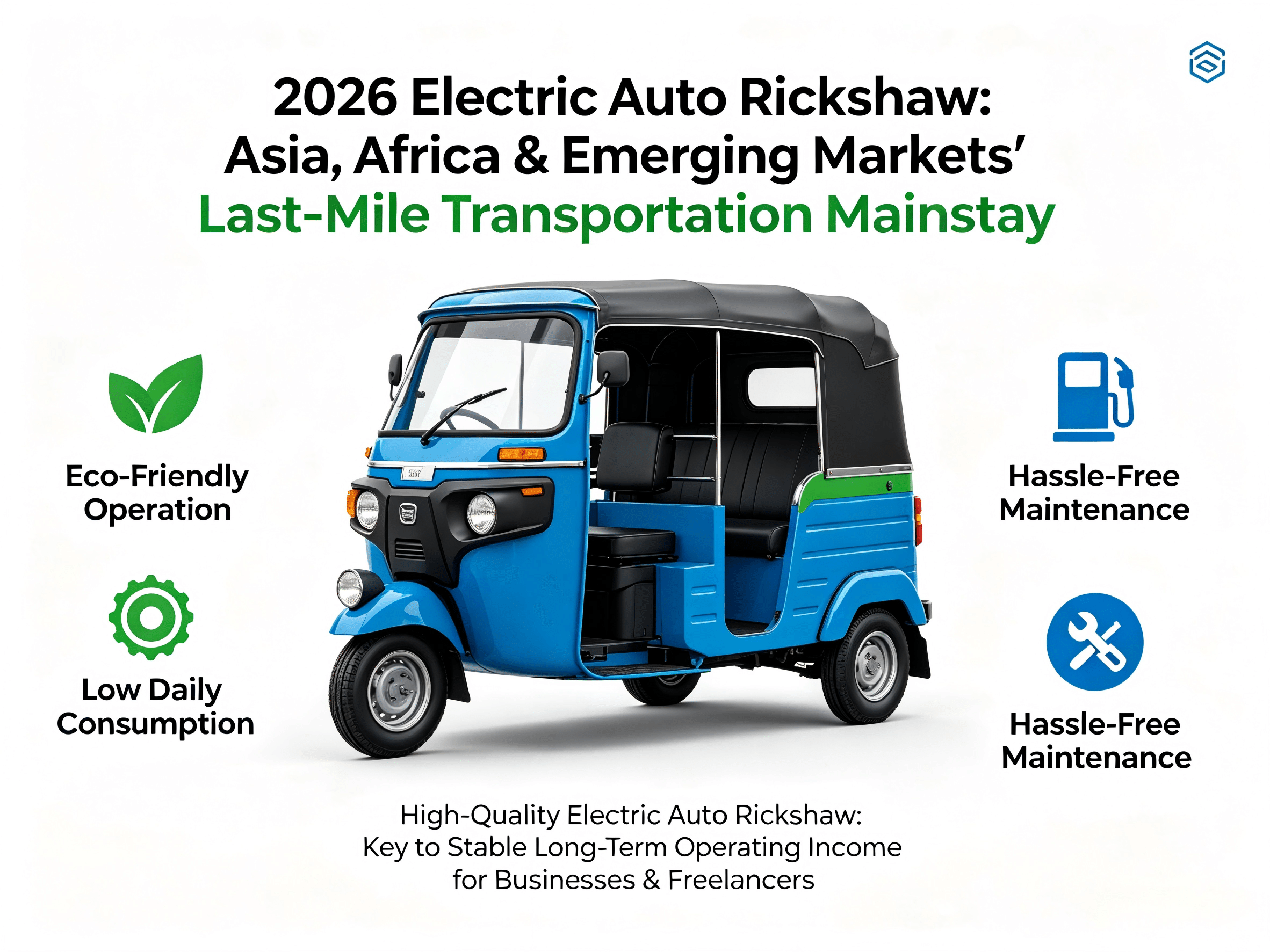
As a mainstream last-mile transportation tool, the electric auto rickshaw, also referred to as electric tuk-tuk or electric three-wheeler, has gained massive popularity in Asia, Africa and various emerging markets in 2026. Favored by individual drivers, commercial taxi fleets and logistics enterprises, the electric auto rickshaw boasts core strengths of eco-friendly operation, low daily consumption and hassle-free maintenance. Selecting a high-quality electric auto rickshaw is essential for businesses and freelancers to secure stable and long-term operating income.
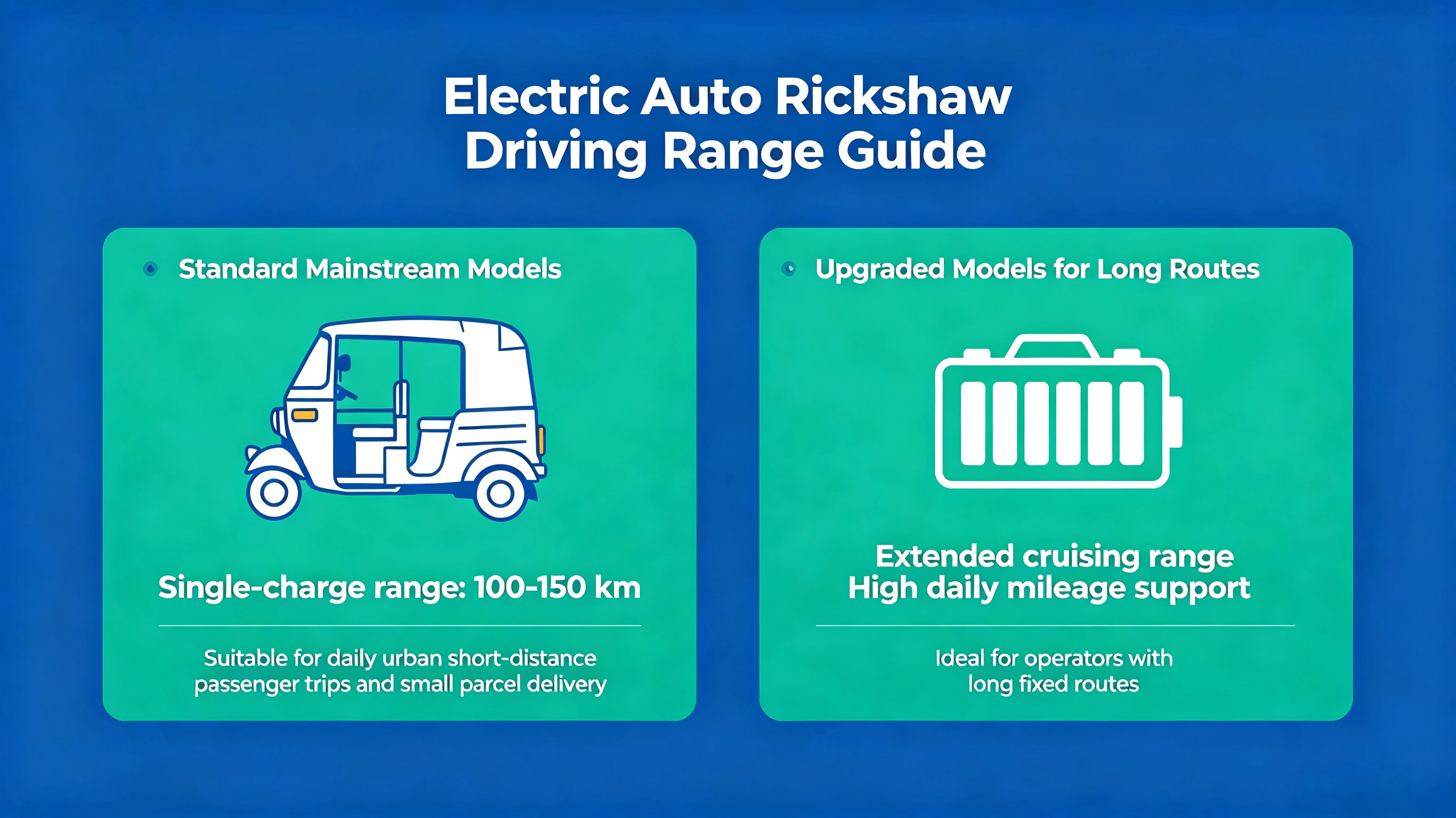
Driving range is the primary consideration when purchasing an electric auto rickshaw for commercial use. Standard mainstream models deliver a single-charge range of 100 to 150 kilometers, fully catering to daily urban short-distance passenger trips and small parcel delivery demands. For operators with long fixed routes and high daily mileage, upgraded models equipped with high-capacity batteries are available to extend cruising range and improve operational efficiency.
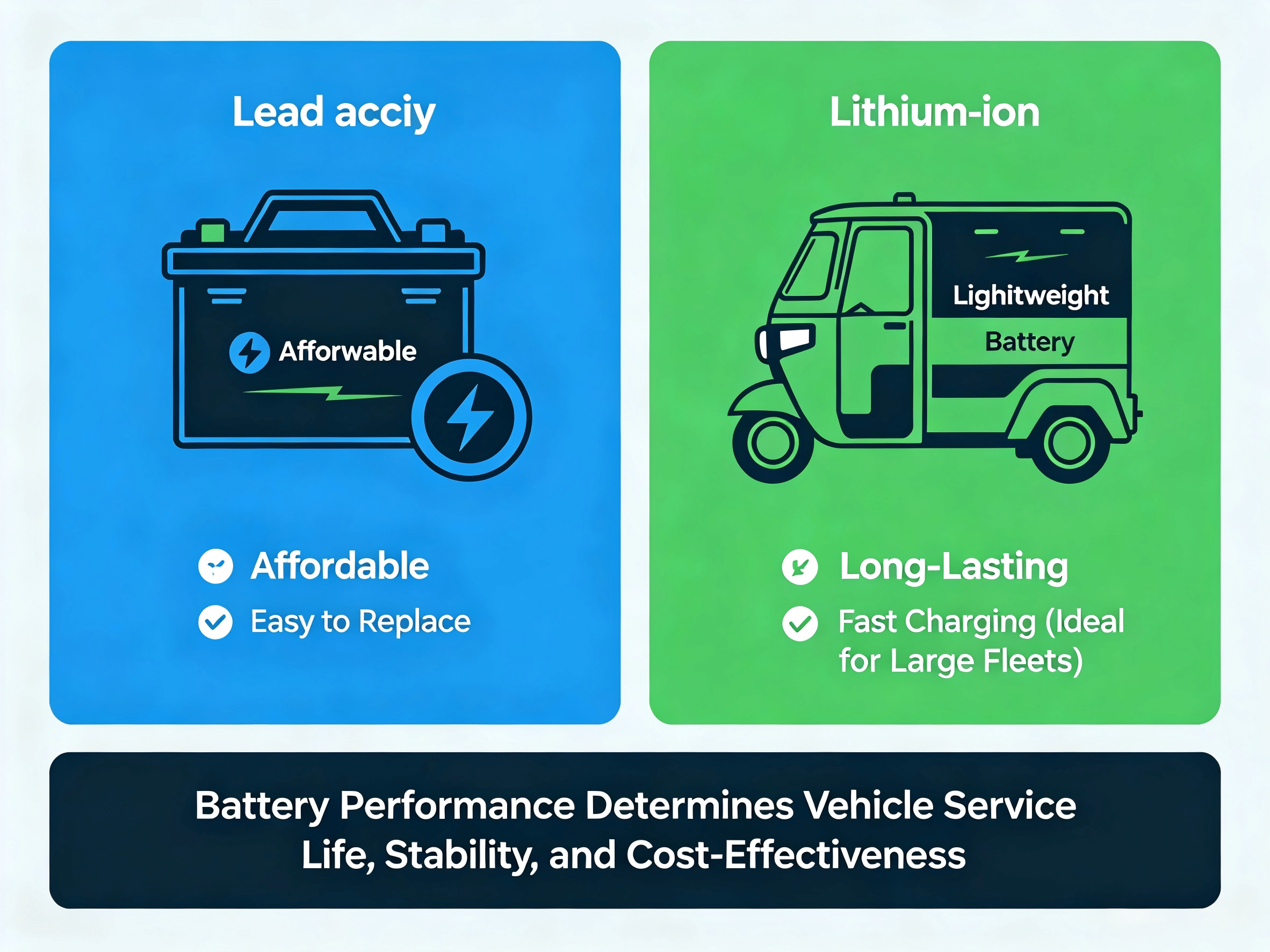
Battery performance determines the service life, stability and overall cost performance of an electric auto rickshaw. The market is dominated by two mature battery options: lead-acid batteries and lithium-ion batteries. Lead-acid batteries feature affordable upfront costs and convenient replacement services, perfectly matching the needs of budget-first buyers and novice operators. In contrast, lithium-ion batteries are lightweight, long-lasting and support fast charging. Despite a higher initial investment, they effectively reduce frequent battery replacement costs in the long run, making them the optimal choice for large-scale fleet commercial operation.
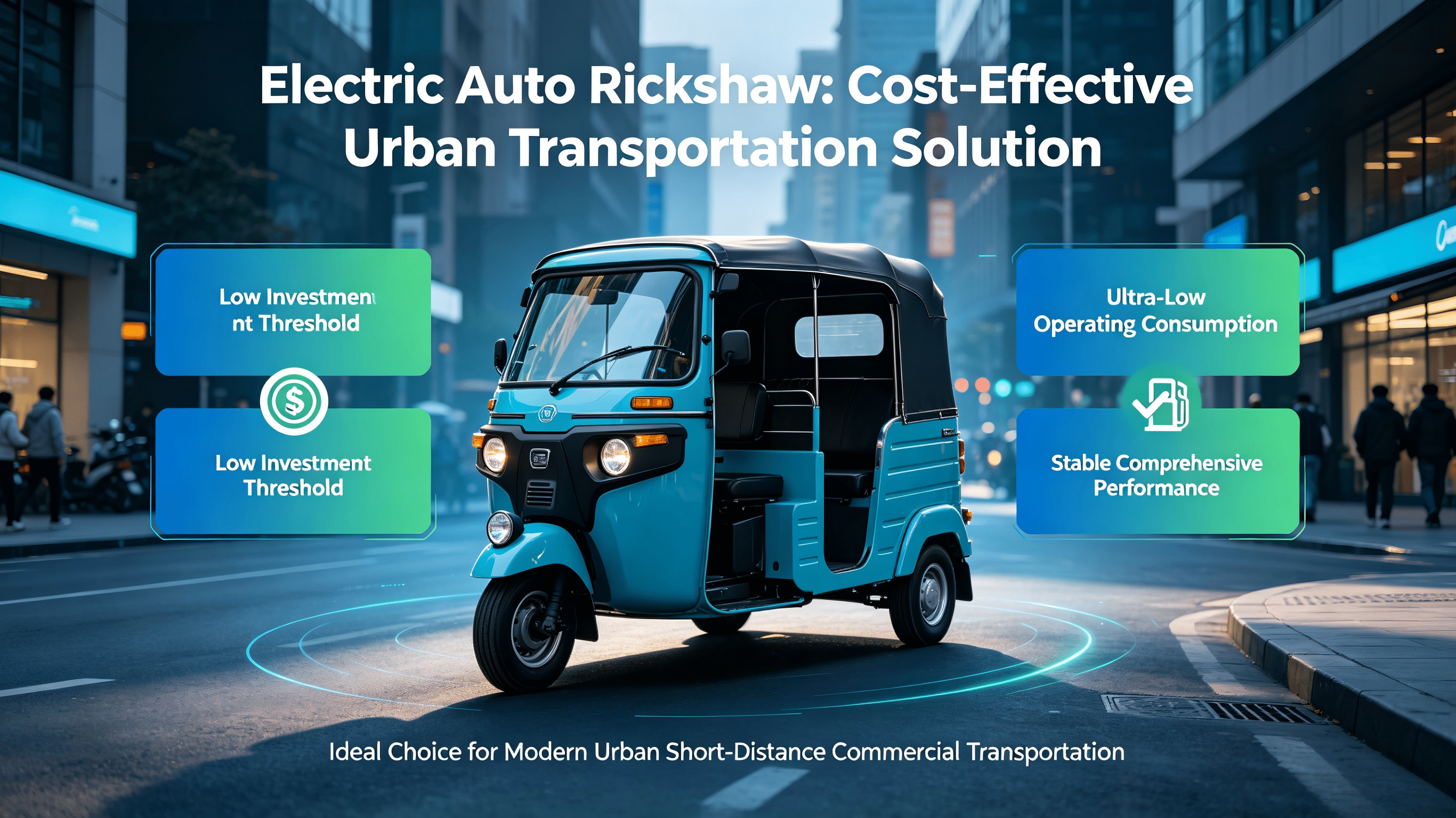
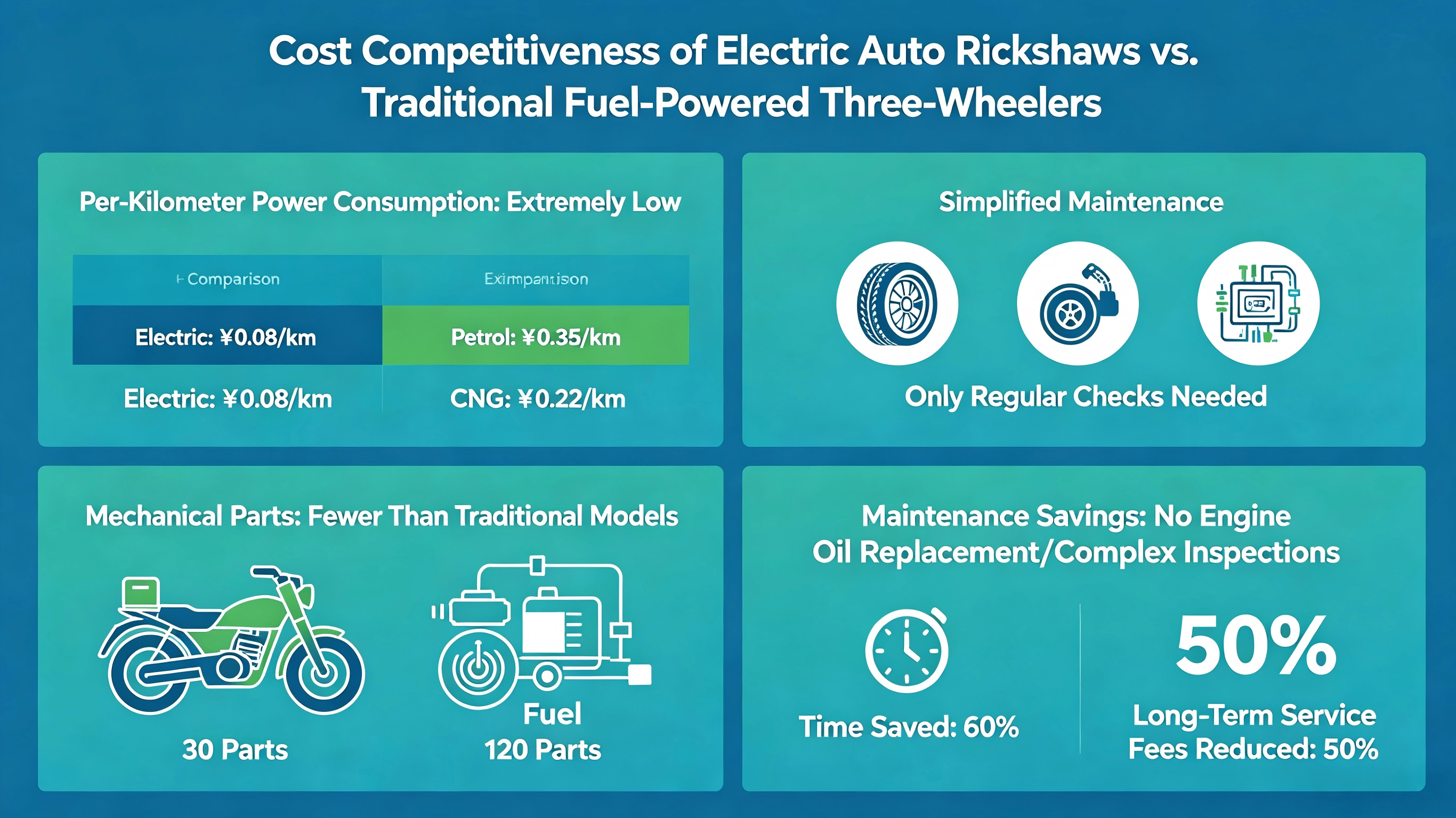
Cost advantages are the core competitiveness of the electric auto rickshaw compared with traditional fuel-powered three-wheelers. The per-kilometer power consumption is extremely low, bringing far lower operating costs than petrol and CNG vehicles. Meanwhile, the electric structure adopts fewer mechanical parts, simplifying daily maintenance significantly. Operators can skip frequent engine oil replacement and complex mechanical inspections; only regular checks on tires, brakes and electrical systems are needed, saving substantial maintenance time and long-term service fees.
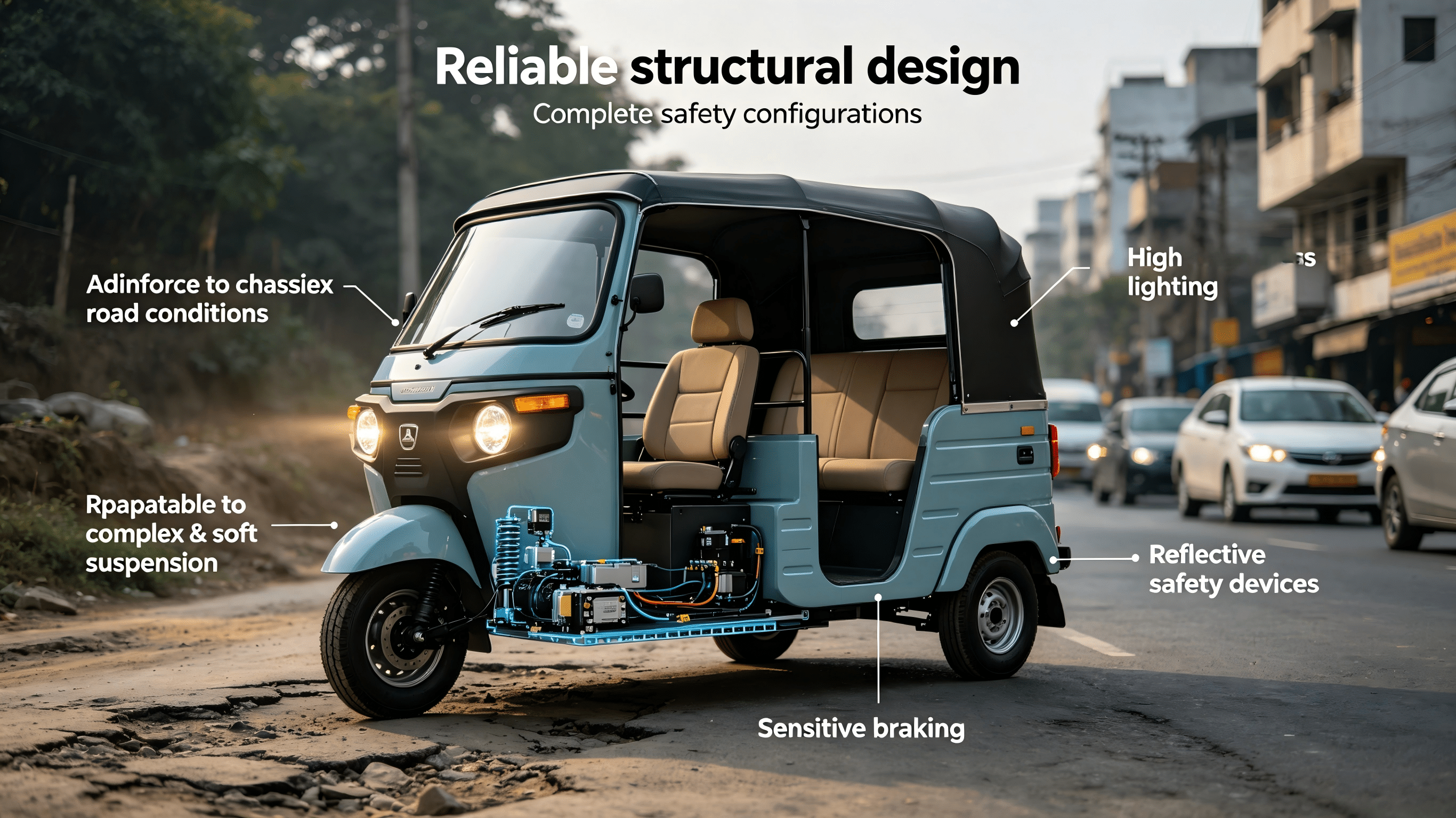
Reliable structural design and complete safety configurations make the modern electric auto rickshaw more adaptable to complex road conditions. The reinforced chassis and flexible soft suspension system can easily cope with bumpy urban and rural roads. The spacious interior cabin optimizes passenger riding comfort. Equipped with high-brightness lighting, sensitive braking systems and standard reflective safety devices, the vehicle ensures stable and safe travel in busy road traffic.
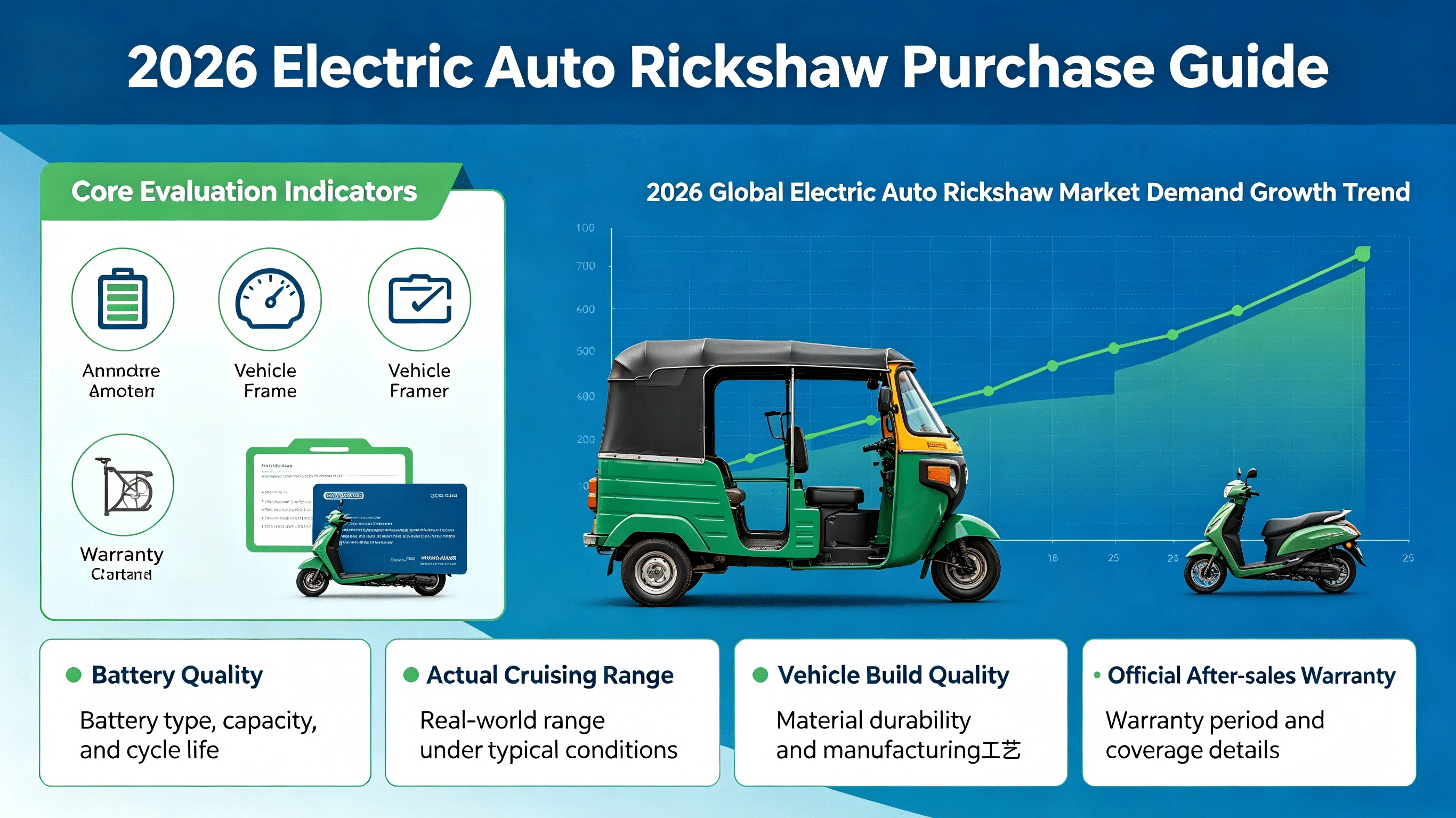
Driven by global new energy promotion policies in 2026, the market demand for electric auto rickshaws continues to rise steadily. For new buyers, it is crucial to comprehensively evaluate core indicators including battery quality, actual cruising range, vehicle build quality and official after-sales warranty before finalizing a purchase.