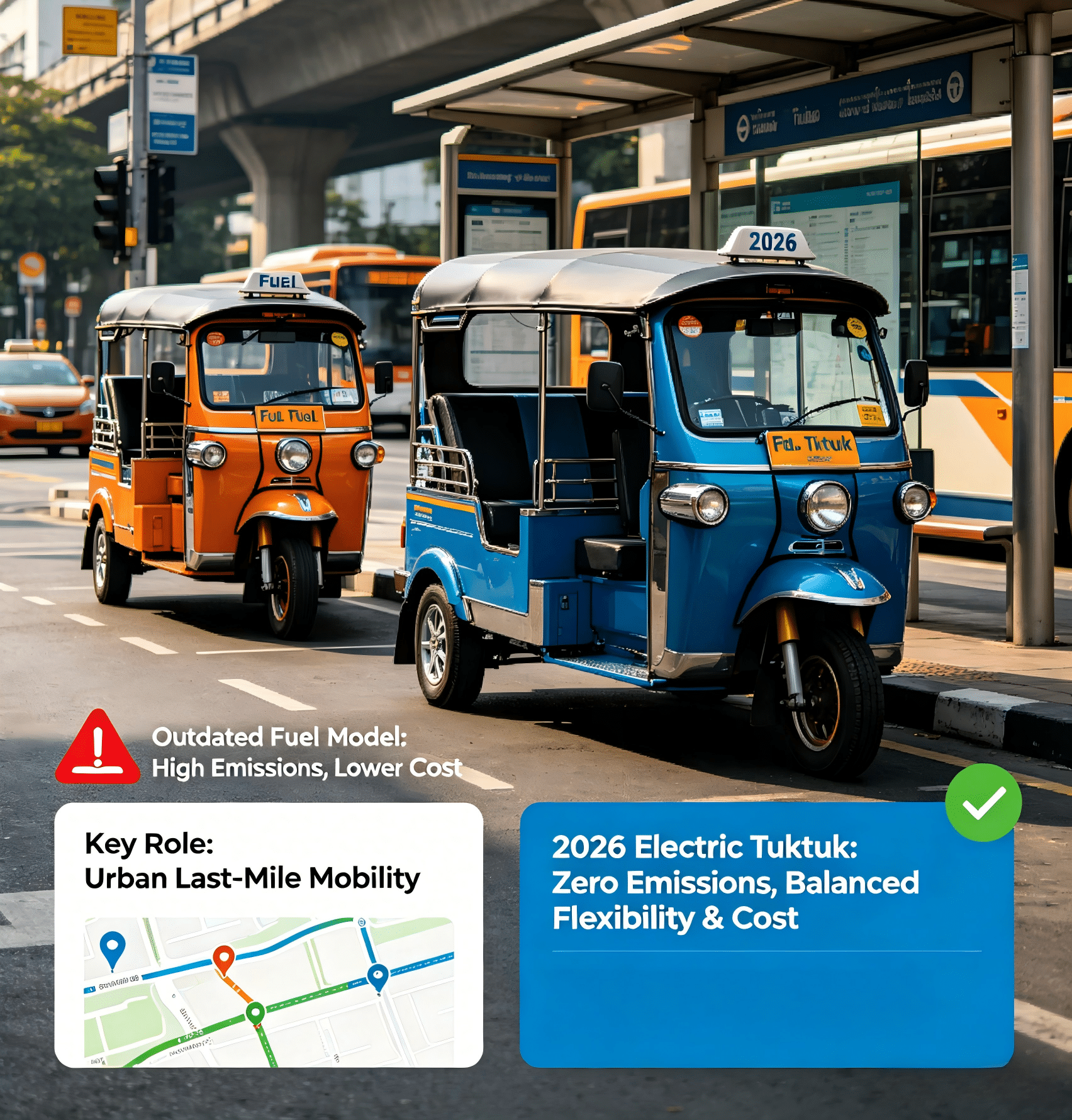
The tuktuk, widely known as the iconic three-wheeled motorized vehicle, is a staple of urban and suburban transportation across Southeast Asia, South Asia, Africa, and Latin America. Recognized for its compact size, flexible maneuverability and affordable fares, the traditional and modern electric tuktuk has evolved from a local transit tool into a mainstream last-mile transport solution worldwide. In 2026, the upgraded electric tuktuk variant continues to reshape short-distance commercial travel with eco-friendly and cost-saving advantages.
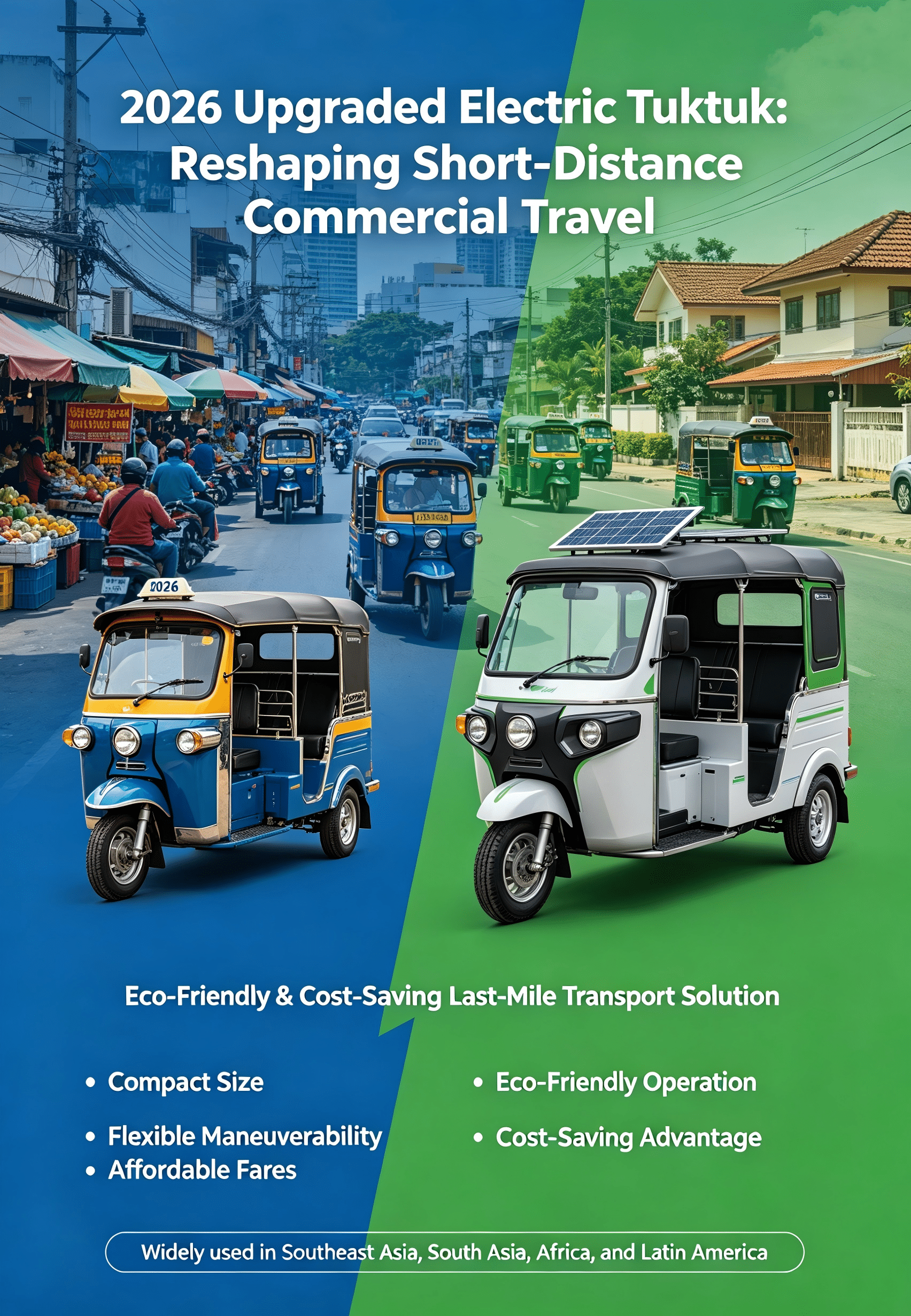
Originating from early motorized rickshaw designs, the classic tuktuk earned its unique name from the humming “tuk-tuk” engine sound of early fuel-powered models. Unlike bulky cars and motorcycles with limited load capacity, the standard tuktuk features a lightweight three-wheel structure that allows it to navigate narrow streets, crowded alleys and congested urban roads effortlessly. This unparalleled flexibility makes the tuktuk irreplaceable for short passenger trips, tourist transfers and lightweight cargo delivery in densely populated areas.
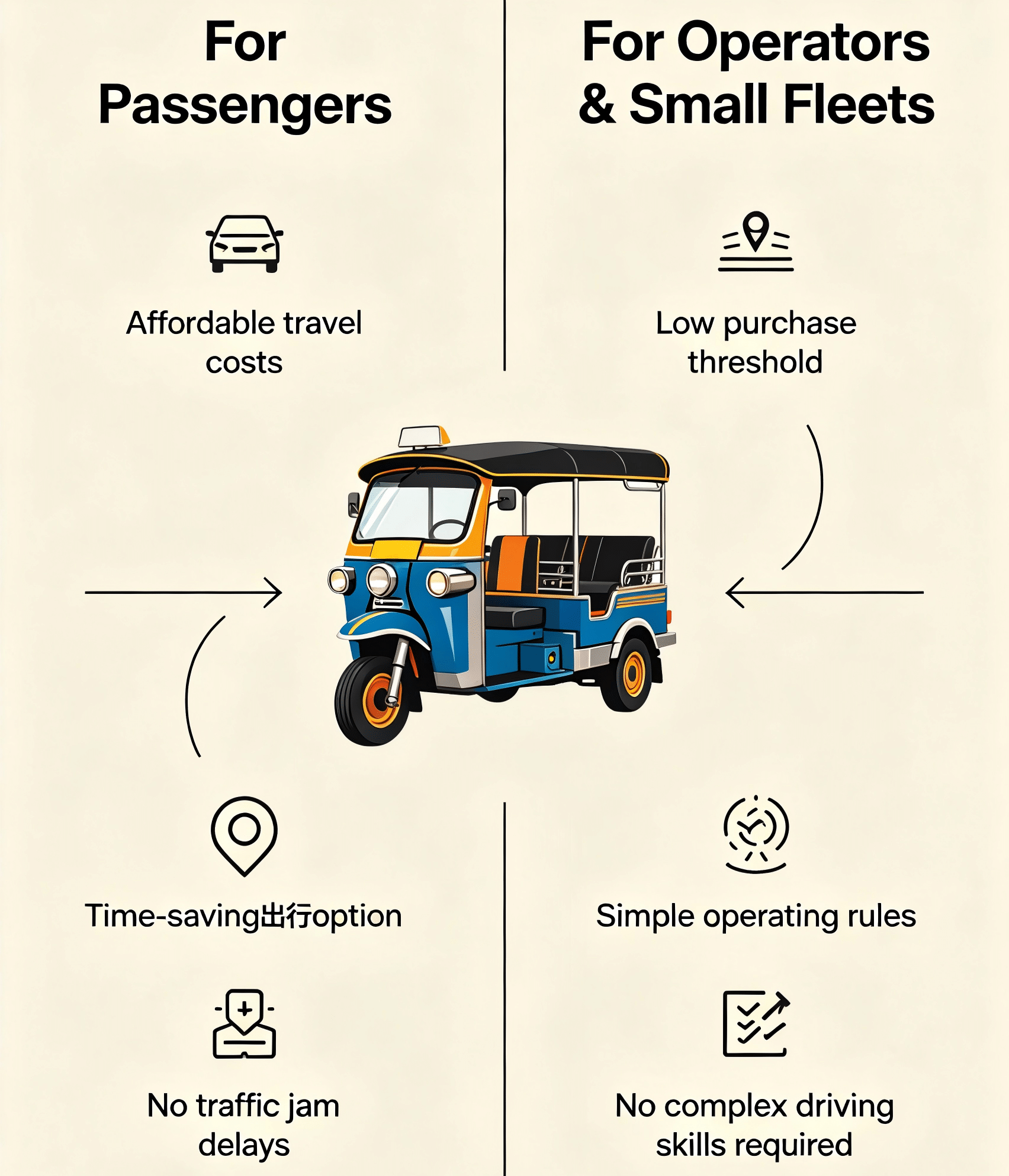
One of the core reasons for the tuktuk’s long-term market popularity is its outstanding practicality and accessibility. For passengers, it offers an affordable, time-saving travel option with no risk of traffic jam delays. For operators and small fleet businesses, a tuktuk comes with a low purchase threshold and simple operating rules. It requires no complex driving skills, making it a friendly startup option for individual drivers and small transport entrepreneurs.
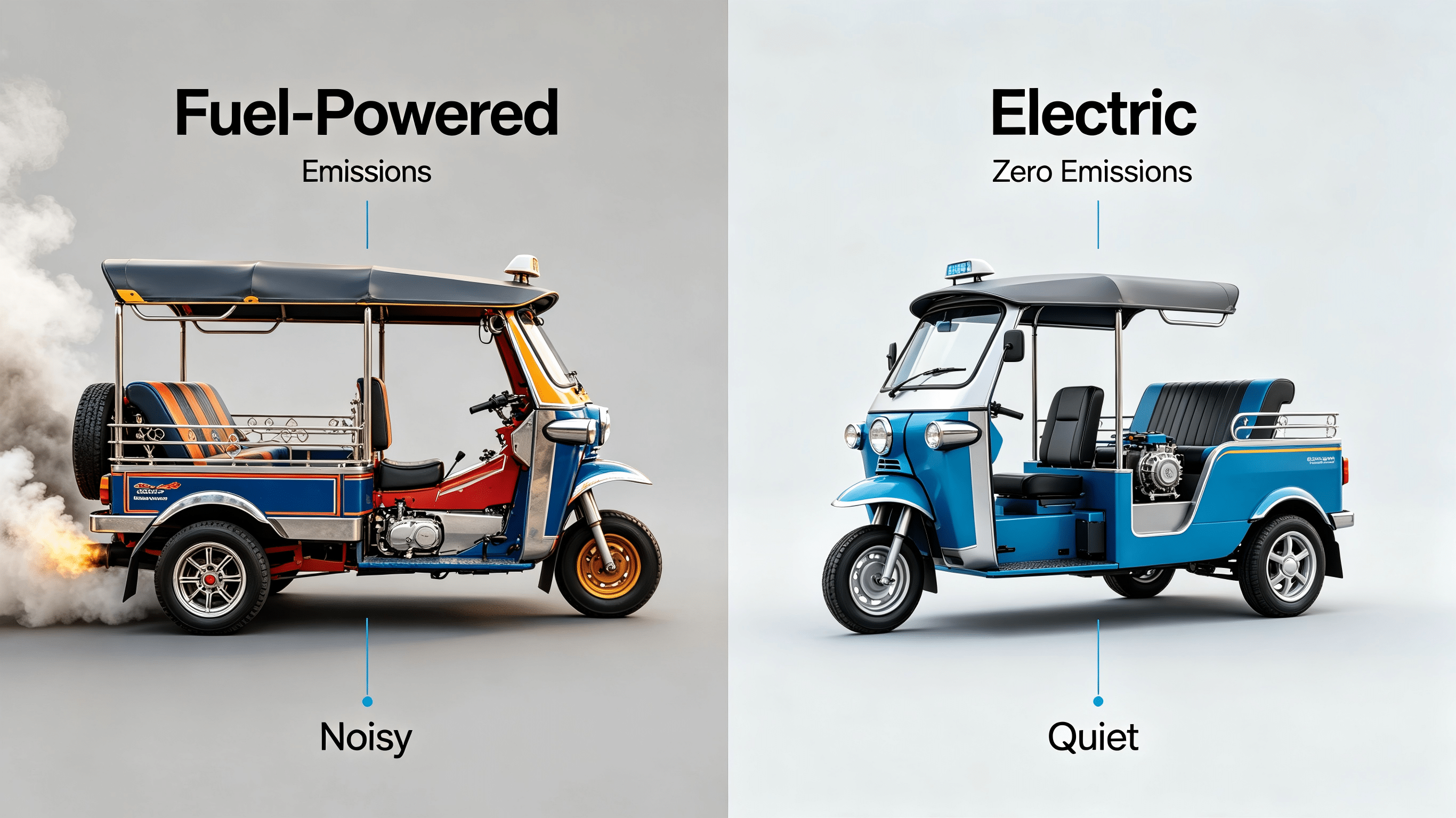
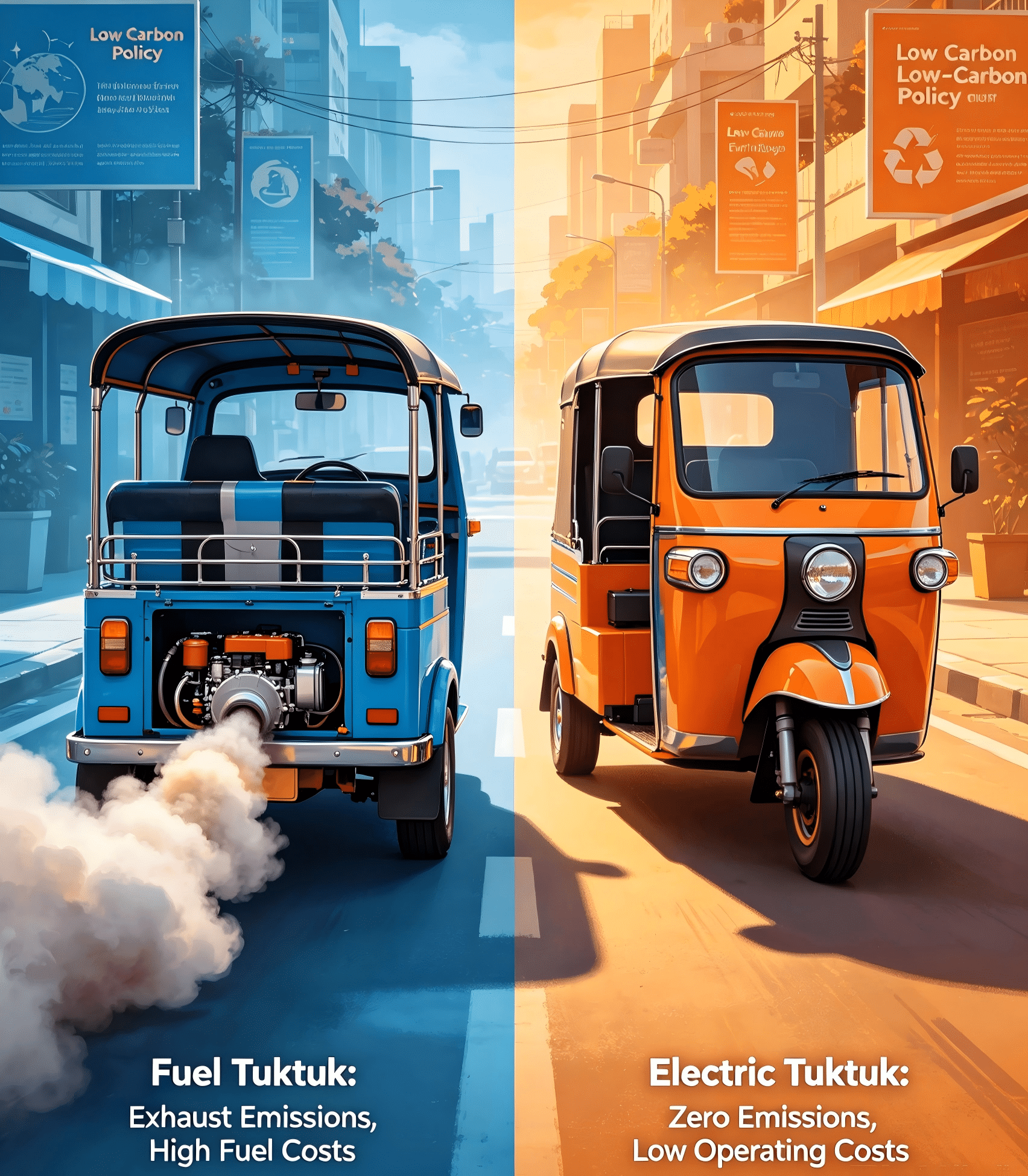
With global low-carbon policies accelerating in 2026, the traditional fuel tuktuk is gradually being replaced by the modern electric tuktuk. Compared with gasoline-powered tuktuks, electric tuktuks eliminate exhaust emissions and reduce urban noise pollution, fully complying with international environmental protection standards. Beyond eco-friendly performance, the electric tuktuk cuts down huge fuel costs, solving the biggest pain point of traditional fuel tuktuk operation.
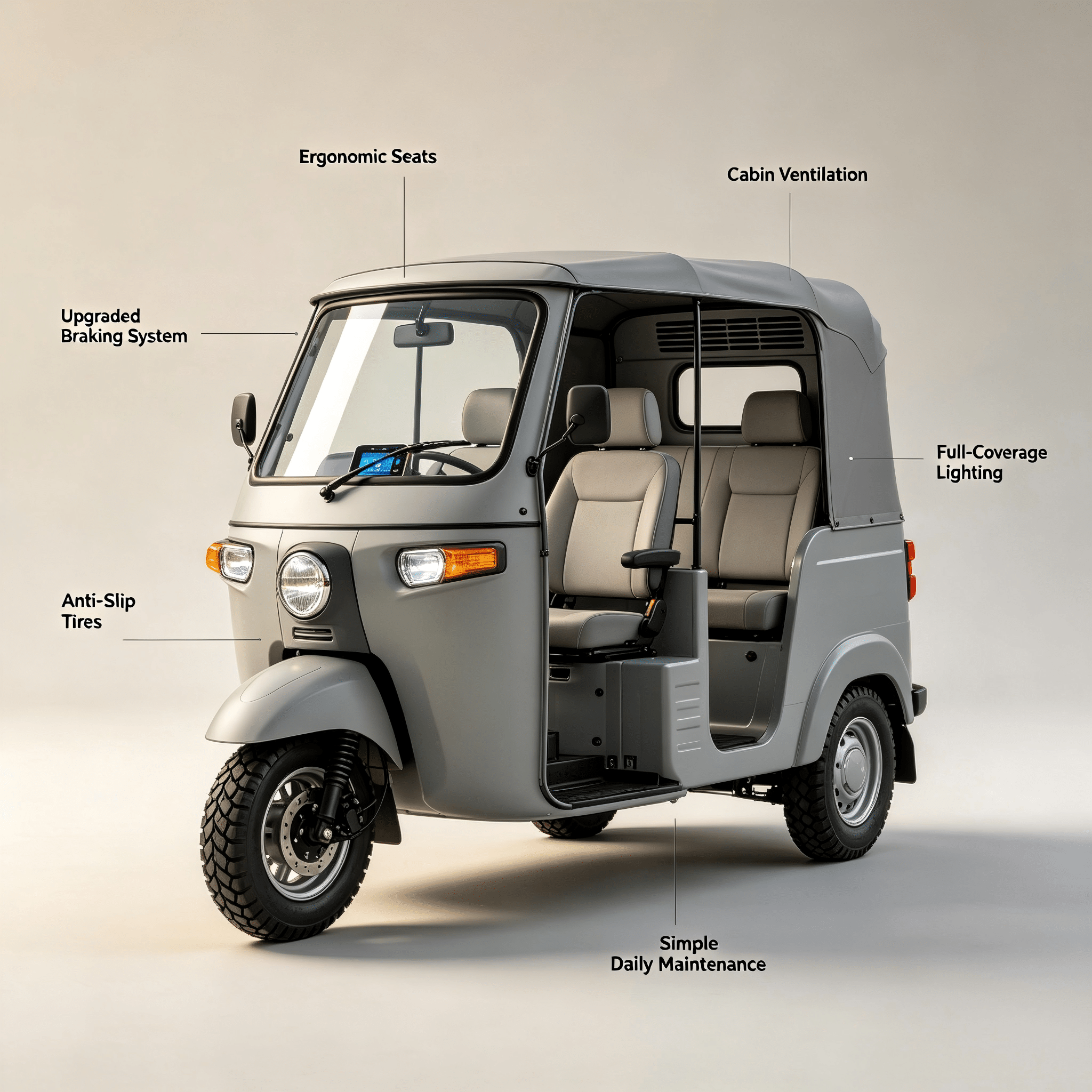
As emerging markets continue to expand public transit demands, the tuktuk industry is embracing standardized and electrified upgrades in 2026. Electric tuktuks are gradually becoming the mainstream choice for commercial short-distance transportation, replacing outdated fuel models. Balancing flexibility, low cost and green performance, both traditional and electric tuktuks remain indispensable transport tools for urban last-mile mobility.