In emerging markets across South Asia, Southeast Asia, and Africa, the tuktuk has long transcended ordinary urban transportation.
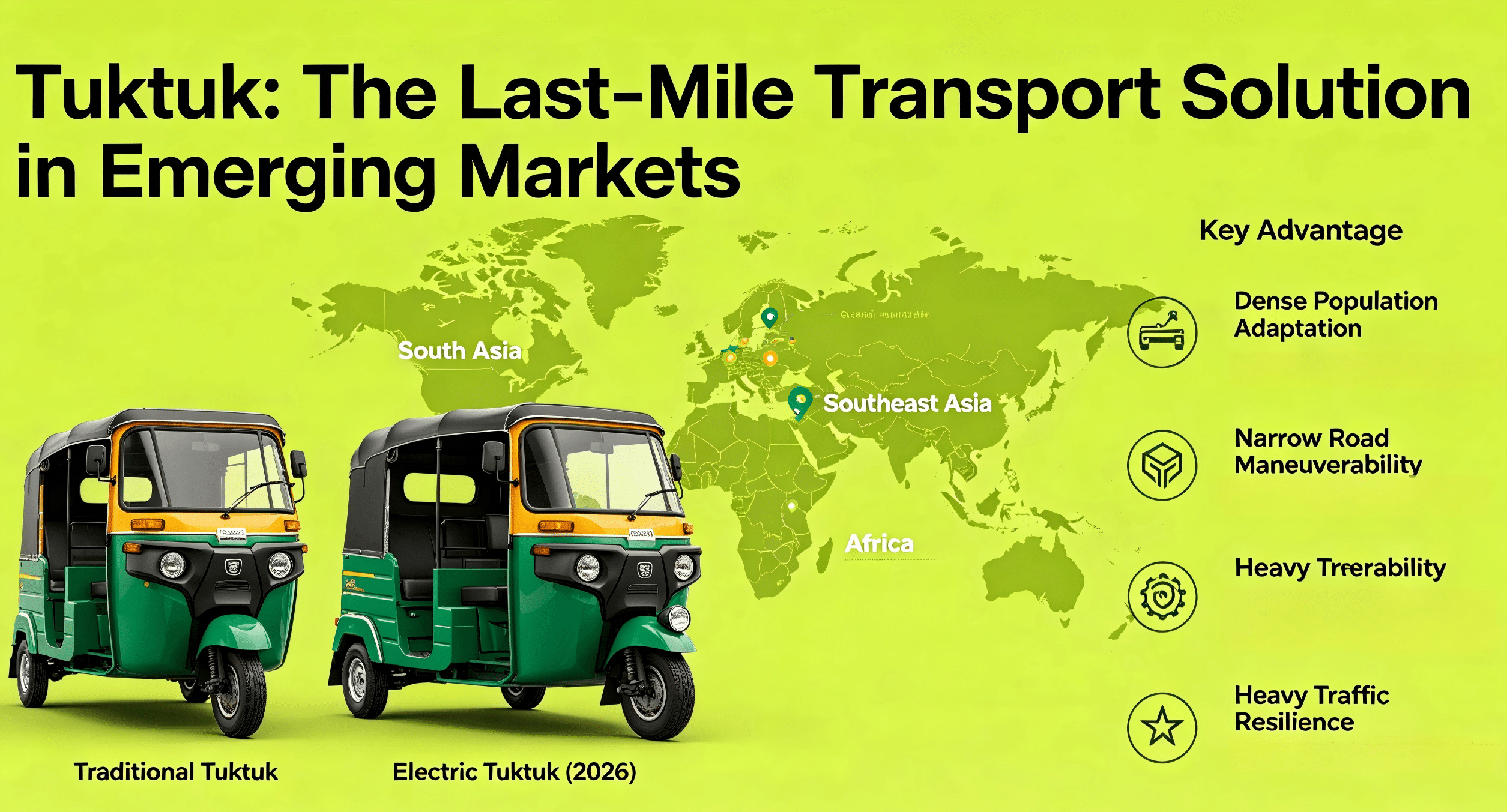
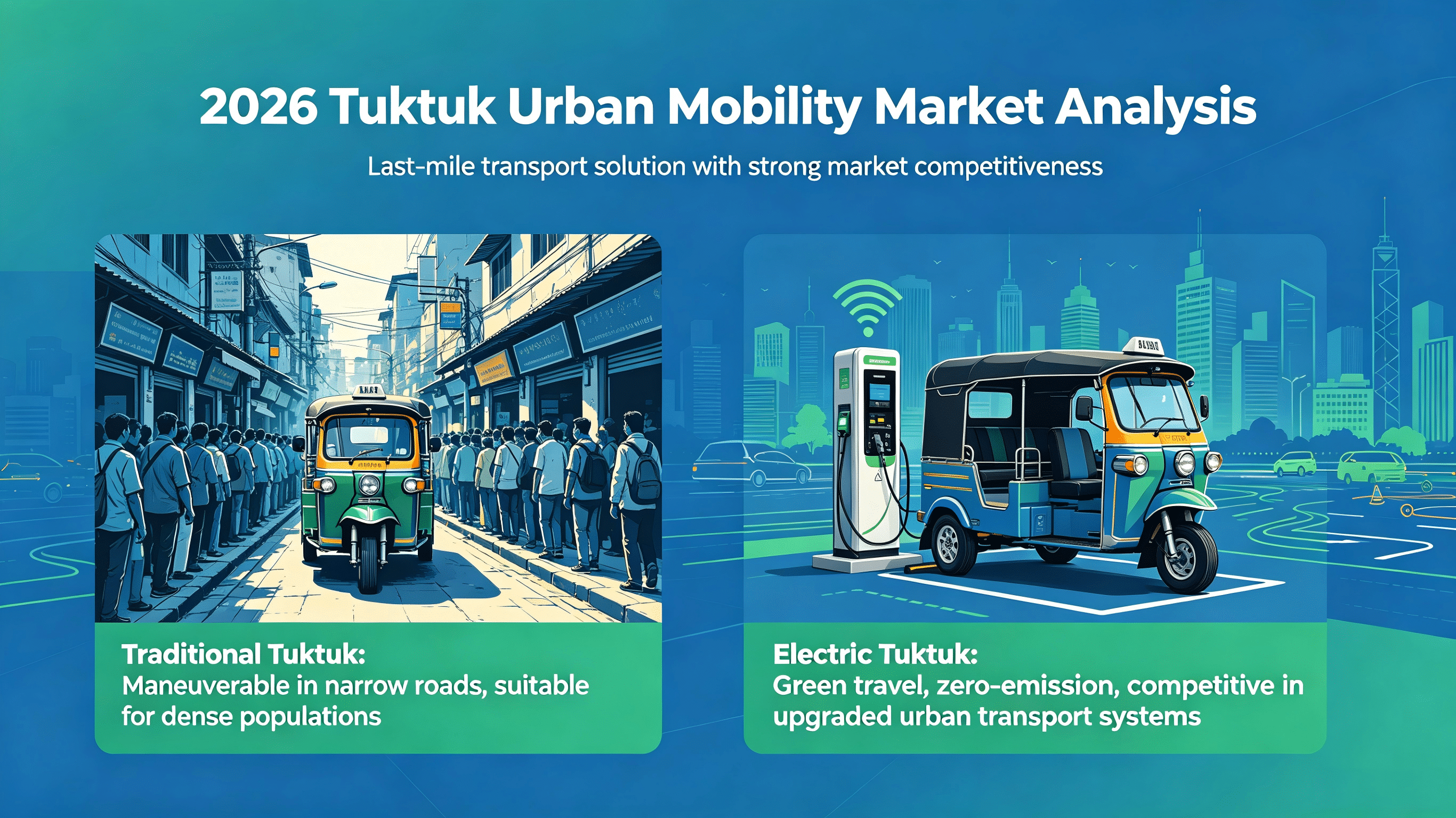
As a mature three-wheeled mobility vehicle, the tuktuk is widely recognized as the most practical last-mile transport solution for cities with dense populations, narrow roads, and heavy traffic. In 2026, with the continuous upgrading of urban transportation systems and the popularization of green travel, the traditional tuktuk and new electric tuktuk still maintain strong market competitiveness.
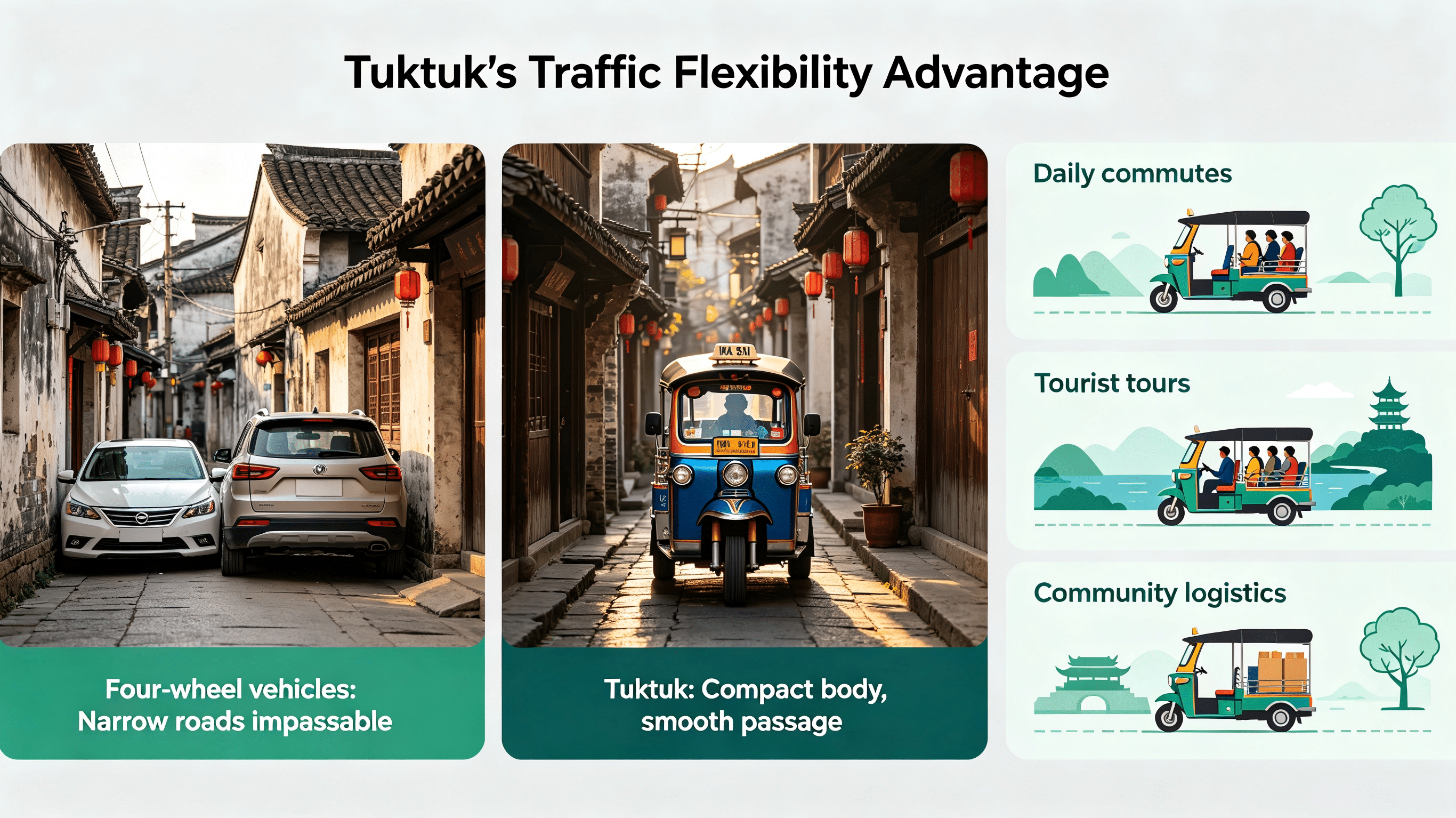
The biggest advantage of a tuktuk lies in its superior traffic flexibility that four-wheel vehicles cannot match. Most urban old towns, rural streets, and market access roads are too narrow for sedans and SUVs to pass smoothly. The compact body of a standard tuktuk allows it to shuttle through complex road sections, bypass traffic congestion, and deliver passengers and goods to precise destinations. This unique advantage makes the tuktuk the preferred travel choice for daily commutes, tourist tours, and community logistics delivery.
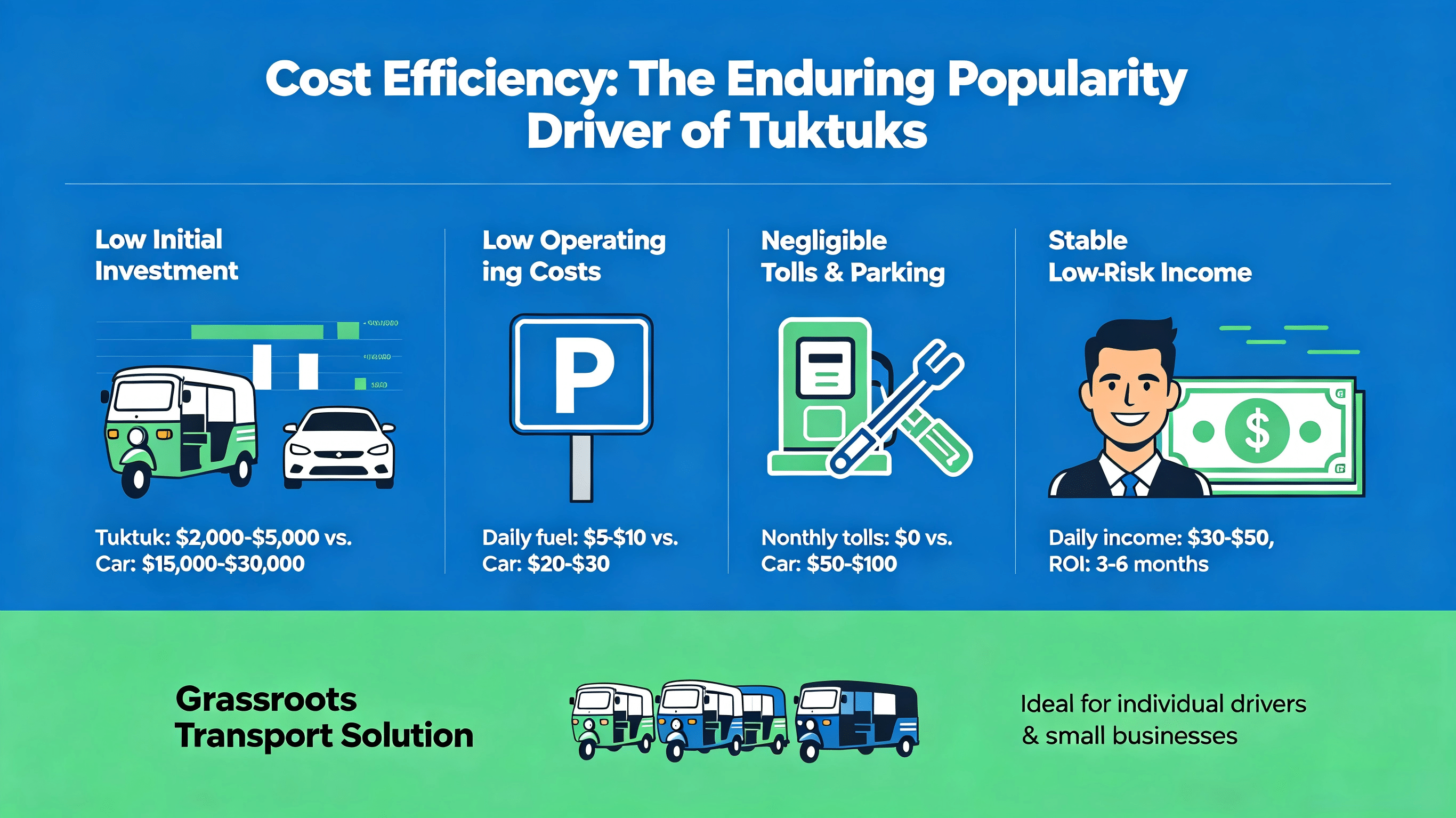
Cost efficiency is another key factor driving the enduring popularity of the tuktuk. Whether for individual drivers or small fleet businesses, investing in a tuktuk requires far lower capital than buying cars or professional transport vehicles. It features low daily operating consumption and negligible road toll and parking costs. For grassroots transport practitioners, a tuktuk provides a stable, low-risk way to earn daily income with quick investment returns.
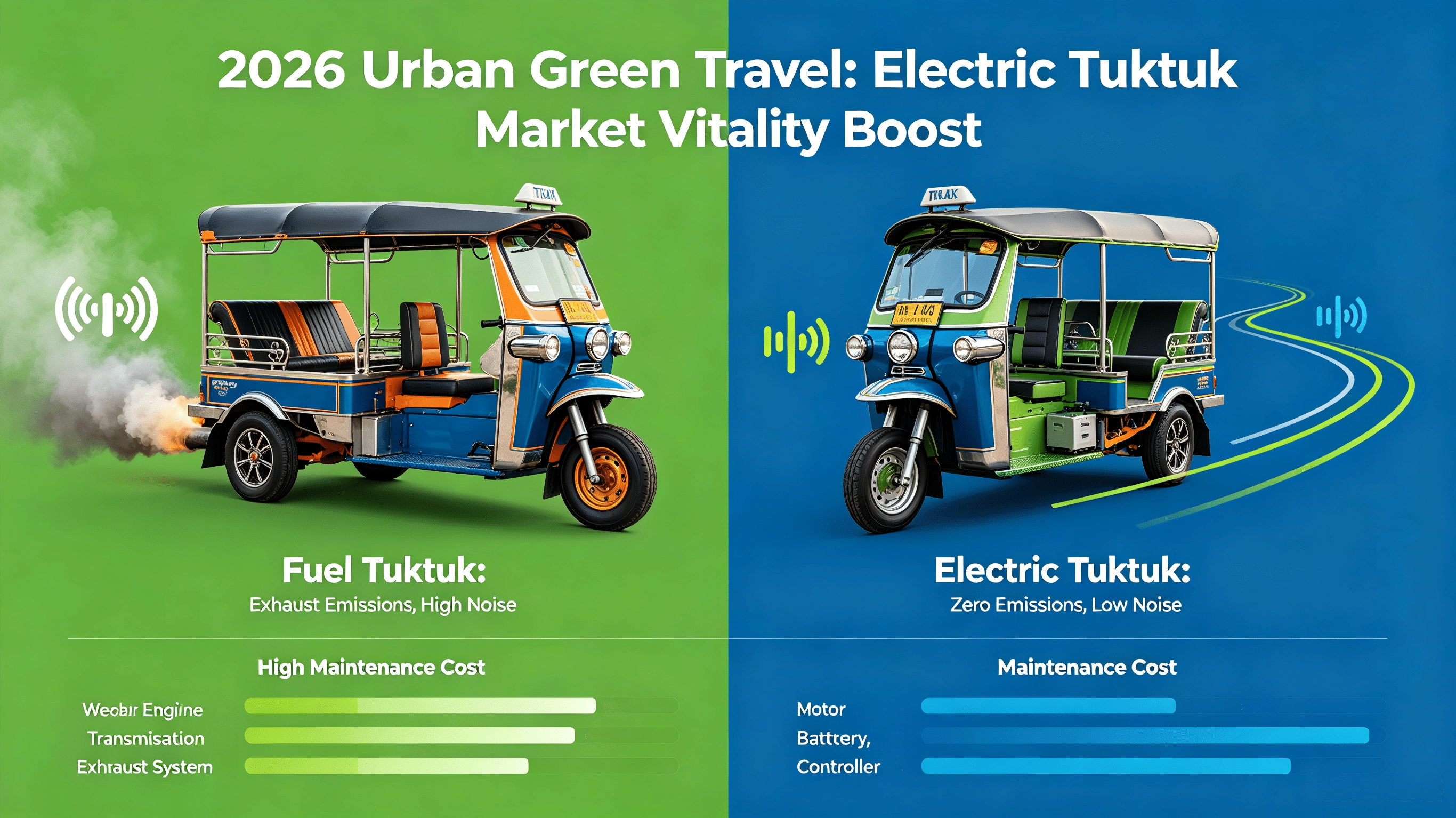
With the global shift to new energy transportation, the modern electric tuktuk has further boosted the market vitality of the traditional model. Unlike fuel tuktuks that produce exhaust and noise, electric tuktuks run smoothly with zero emissions and low noise, meeting the urban green travel standards of most regions in 2026. Meanwhile, electric tuktuks have fewer wearable parts, effectively reducing long-term maintenance costs and downtime, greatly improving operational continuity.
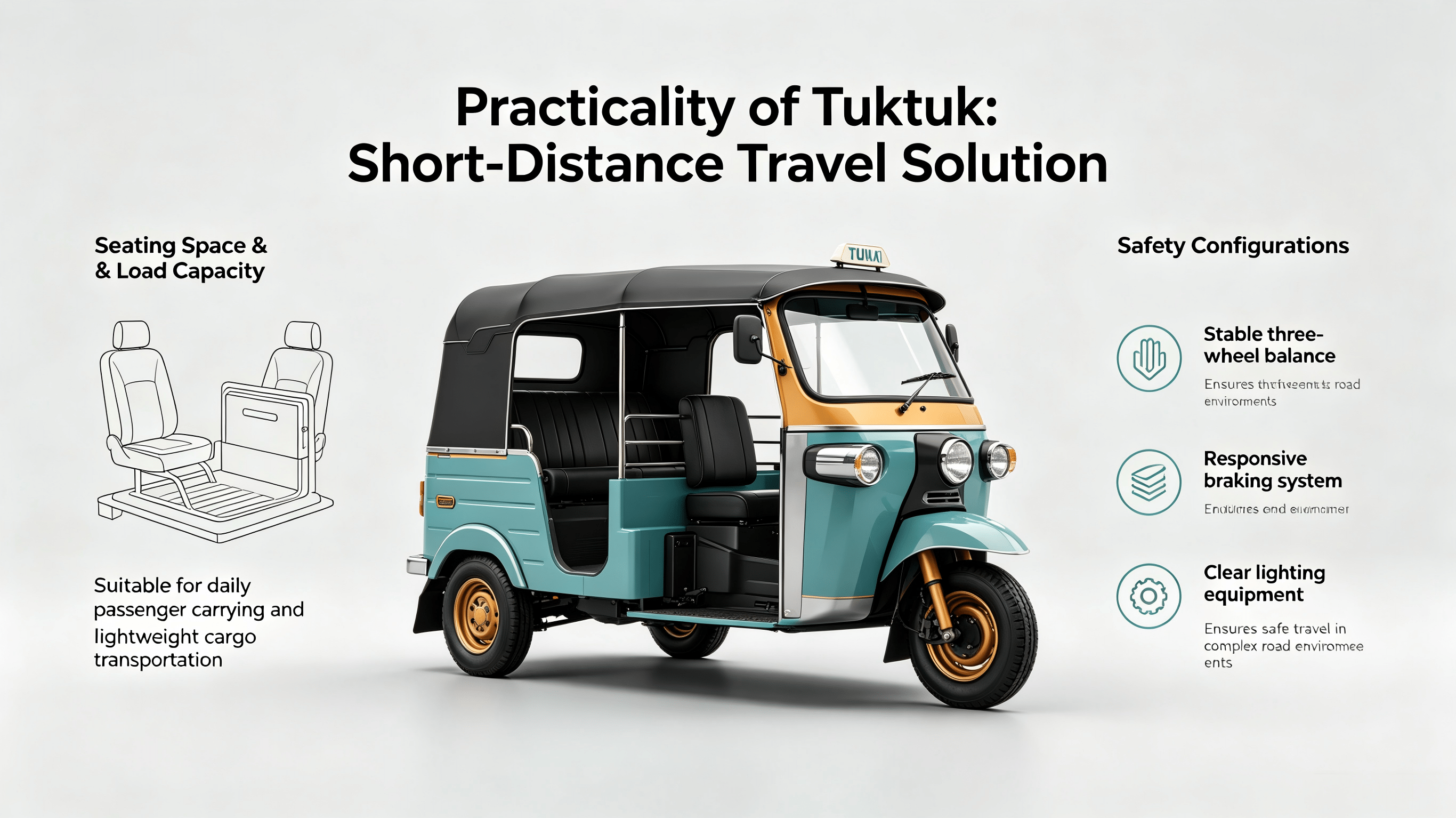
In terms of practicality, the tuktuk is tailored for short-distance travel scenarios. It offers reasonable seating space and load capacity, perfectly adapting to daily passenger carrying and lightweight cargo transportation needs. Modern tuktuk models also optimize safety configurations, including stable three-wheel balance design, responsive braking systems and clear lighting equipment, ensuring safe travel in complex road environments.
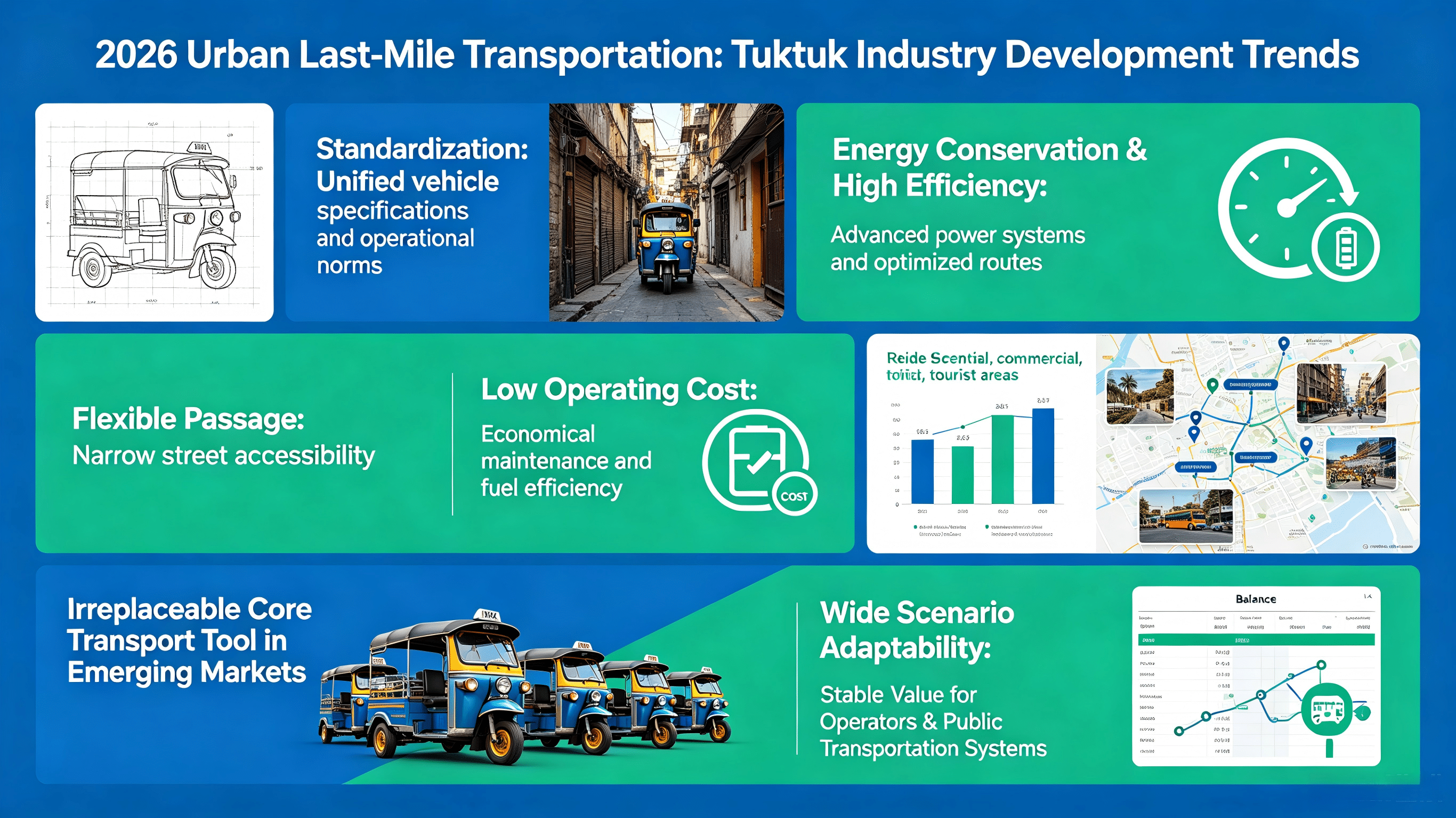
As urban last-mile transportation demand continues to grow in 2026, the tuktuk industry is moving toward standardization, energy conservation and high efficiency. Thanks to its flexible passage, low operating cost and wide scenario adaptability, the tuktuk will continue to be an irreplaceable core transport tool in emerging markets, bringing stable value to both operators and urban public transportation systems.